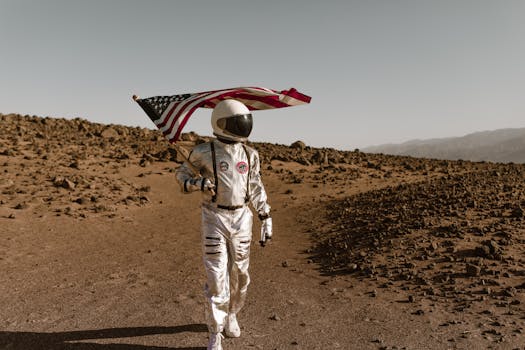
Imagine this: you’re out on a critical mission, the sun relentless, the landscape unforgiving. Dehydration is a constant threat, dust infiltrates everything, and the nearest help feels a world away. In such scenarios, having a reliable, knowledgeable health resource isn’t just beneficial; it’s paramount. This is precisely where the Noah Desert Mission Health Center steps in, offering more than just medical services – it provides a lifeline and empowers individuals to stay healthy and operational in challenging desert environments. It’s a hub of expertise designed for the unique demands of arid survival and sustained performance.
Understanding the Unique Challenges of Desert Health
The desert isn’t just sand and sun; it’s a complex ecosystem that directly impacts human physiology. Prolonged exposure to extreme heat, low humidity, and scarce water resources can lead to a cascade of health issues if not managed proactively.
Heat-Related Illnesses: From mild heat exhaustion to life-threatening heatstroke, these are the primary concerns. Understanding the subtle signs and, more importantly, preventative measures is crucial.
Dehydration: Often underestimated, chronic dehydration can impair cognitive function, physical performance, and overall well-being. It’s a silent saboteur.
Skin Conditions: Sunburn, dryness, and increased susceptibility to infections are common. The harsh environment can exacerbate existing dermatological issues.
Respiratory Issues: Fine dust and sand can irritate the lungs, leading to or worsening conditions like asthma and bronchitis.
Psychological Strain: Isolation, demanding conditions, and the constant awareness of environmental risks can take a toll on mental health.
What the Noah Desert Mission Health Center Offers: Beyond Basic Care
The Noah Desert Mission Health Center is built on the understanding that desert health requires specialized knowledge. They’re not just treating ailments; they’re actively promoting robust health tailored to this specific context.
#### Proactive Wellness Programs
One of the most impactful aspects of the center is its focus on preventative care. They don’t wait for problems to arise. Instead, they equip individuals with the knowledge and tools to avoid them altogether. This includes:
Hydration Strategies: Expert advice on fluid intake, electrolyte balance, and recognizing early signs of dehydration. They might offer specialized rehydration solutions or educational workshops.
Heat Acclimatization Guidance: Protocols and advice on how to safely adapt your body to extreme temperatures, minimizing the risk of heat illness.
Nutrition for Arid Climates: Understanding what foods best support your body in a hot, dry environment – focusing on what aids hydration and energy levels.
#### Advanced Medical Support
When health issues do arise, the Noah Desert Mission Health Center is equipped to handle them. Their medical professionals often possess a deep understanding of conditions prevalent in arid regions.
Emergency Response: Swift and competent care for heatstroke, severe dehydration, injuries from accidents, and other emergencies that can occur in remote settings.
Specialized Treatments: Addressing conditions like desert sores, respiratory irritations exacerbated by dust, and skin damage from prolonged sun exposure.
Mental Health Support: Recognizing the unique psychological stressors of desert missions, they offer counseling and support for maintaining mental resilience.
Actionable Strategies for Staying Healthy in the Desert
The information and services provided by the Noah Desert Mission Health Center are most effective when put into practice. Here are some direct, actionable steps you can take, aligning with the principles they champion:
#### Your Daily Desert Health Checklist
Hydrate, Hydrate, Hydrate: Don’t wait until you’re thirsty. Sip water consistently throughout the day, even when you don’t feel the urge. Consider electrolyte supplements during strenuous activity or prolonged exposure.
Dress Appropriately: Wear loose-fitting, light-colored clothing that covers your skin. This protects against sunburn and helps regulate body temperature. Wide-brimmed hats are non-negotiable.
Pace Yourself: Avoid strenuous activity during the hottest parts of the day (typically 10 AM to 4 PM). Schedule tasks for cooler early mornings or evenings.
Monitor Your Body: Be acutely aware of early warning signs of heat-related illness: headache, dizziness, nausea, excessive sweating or lack thereof. If you experience these, rest in a cool place and rehydrate immediately.
Protect Your Skin: Use high SPF sunscreen religiously, even on cloudy days. Apply lip balm with SPF to prevent chapped lips.
Manage Your Environment: If possible, seek shade. Utilize cooling vests or bandanas soaked in water to help regulate your temperature. Ensure adequate ventilation in living and working spaces.
Listen to Your Crew: Encourage a culture where team members look out for each other. Early recognition of symptoms in others can be lifesaving.
The Role of Education and Training
A significant part of the Noah Desert Mission Health Center‘s mission is education. They understand that empowering individuals with knowledge is as crucial as providing immediate medical care.
Training Workshops: These often cover practical skills like recognizing dehydration symptoms in oneself and others, proper use of cooling equipment, and basic first aid for heat-related injuries.
Resource Materials: Providing accessible guides, fact sheets, and digital resources that individuals can refer to, ensuring information is readily available when needed.
* One-on-One Consultations: Offering personalized advice based on individual health profiles and mission specifics.
Why Prioritize Desert Mission Health?
In my experience, the most successful missions are those where the well-being of personnel is treated as a primary objective, not an afterthought. When individuals are healthy, they are more focused, more resilient, and ultimately, more effective. Investing in understanding and implementing the guidance from a place like the Noah Desert Mission Health Center is an investment in mission success and, more importantly, in the lives of the people undertaking these challenging endeavors. It’s about enabling sustained performance and ensuring everyone returns safely.
Final Thoughts: Building Resilience Through Knowledge
The desert environment demands respect and preparation. The services and expertise offered by the Noah Desert Mission Health Center are not just a safety net; they are a proactive blueprint for thriving amidst adversity. By internalizing their teachings on hydration, heat management, and environmental awareness, and by actively seeking their guidance, individuals can build a foundation of resilience. This isn’t about enduring the desert; it’s about mastering it, ensuring that every mission is undertaken with health, safety, and success at its core. Make their expertise your ally.


